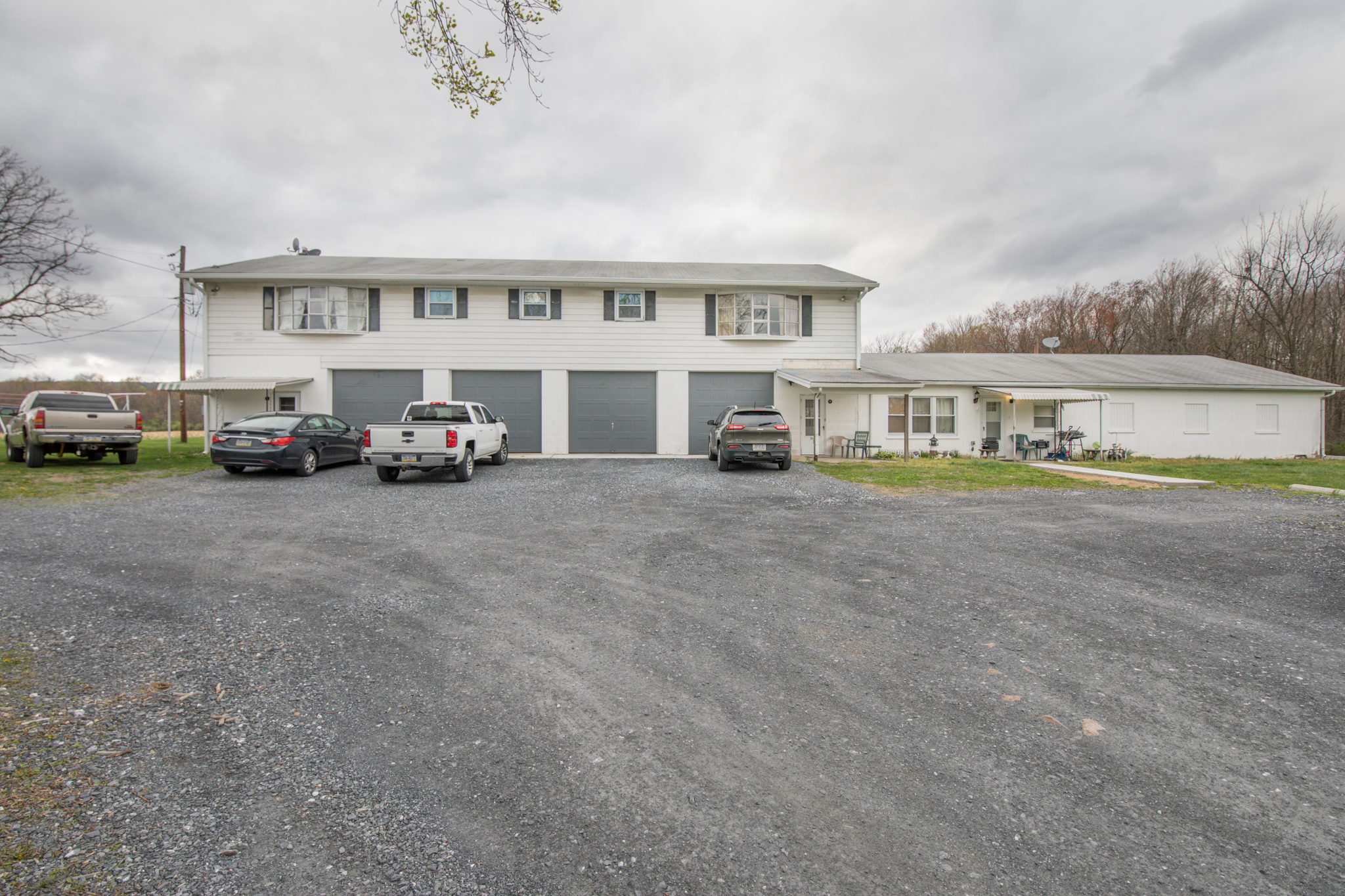
What's happening in the Lehigh Valley apartment market? This comprehensive analysis covers current cap rates, appreciation forecasts, rental growth trends, and what it all means for property owners and investors. As an active multifamily investor in the region, I've compiled data from multiple sources and combined it with on-the-ground insights to provide you with an accurate picture of where the market stands and where it's heading.
Current Market Overview
The Lehigh Valley multifamily market continues to demonstrate remarkable resilience and growth potential. The region's strategic location, diverse economy, and relative affordability compared to nearby metropolitan areas have attracted both residents and investors, creating a favorable environment for apartment owners.
Key market indicators as of 2023:
- Average occupancy rate: 96.2% across the Lehigh Valley
- Average rent: $1,475 for a one-bedroom apartment (up 4.8% year-over-year)
- Average cap rates: 5.2-6.3% for Class B/C properties
- Average price per unit: $112,000-$145,000 (depending on property class and location)
- Transaction volume: Up 8% compared to previous year
These strong fundamentals have created a competitive market for quality multifamily assets, with many properties receiving multiple offers when listed for sale. However, rising interest rates have begun to temper price growth and extend the average time on market for properties requiring significant financing.
Rental Growth Projections
Rental rates in the Lehigh Valley have consistently outpaced the national average in recent years, and this trend is expected to continue through 2025. Several factors are driving this sustained growth:
- Population Growth: The Lehigh Valley continues to attract residents from more expensive nearby markets, including New York City and Philadelphia. The ability to work remotely has accelerated this migration trend.
- Economic Development: Major employers continue to expand in the region, including healthcare providers, manufacturing, and logistics companies, creating new jobs and housing demand.
- Limited New Supply: While there are several new apartment developments in progress, the overall pace of new construction is not keeping up with demand, particularly in the workforce housing segment.
- Rising Homeownership Costs: Higher mortgage rates have made homeownership less attainable for many, keeping more residents in the rental market longer than in previous cycles.
Rental growth forecast by submarket (annual % increase through 2025):
- Allentown: 4.5-5.2%
- Bethlehem: 4.7-5.5%
- Easton: 4.0-4.8%
- Outlying areas: 3.2-4.0%
These projections assume no major economic downturn and account for the new supply expected to come online during this period. Properties offering modern amenities and energy-efficient features are likely to command premium rent increases above these averages.
Cap Rate Trends and Valuation Outlook
Cap rates in the Lehigh Valley have compressed significantly over the past decade as institutional investors and out-of-state buyers have discovered the region's strong fundamentals. While rising interest rates have begun to put upward pressure on cap rates, the effect has been more modest than in some other markets due to continued strong investor demand.
Current and projected cap rates by property class:
- Class A (Newer luxury properties): 4.5-5.0% (2023) → 4.8-5.3% (2025 projection)
- Class B (Well-maintained, moderate age): 5.2-5.8% (2023) → 5.5-6.1% (2025 projection)
- Class C (Older, functional properties): 5.8-6.5% (2023) → 6.0-6.8% (2025 projection)
- Value-add opportunities: 6.3-7.0% (2023) → 6.5-7.3% (2025 projection)
This moderate cap rate expansion is expected to be largely offset by NOI growth for well-managed properties, allowing for continued appreciation despite a higher interest rate environment. Properties with below-market rents and value-add potential are particularly well-positioned to outperform market averages in terms of total returns.
Market Challenges and Opportunities
While the overall outlook remains positive, investors and property owners should be aware of several challenges and opportunities in the current market:
Challenges:
- Rising Operating Costs: Insurance, utilities, and property taxes continue to increase at rates exceeding inflation, putting pressure on net operating income.
- Financing Constraints: Higher interest rates and more stringent lending requirements have made new acquisitions more challenging to finance with attractive returns.
- Increased Regulation: Some municipalities are considering or implementing new rental regulations that could impact operations and profitability.
- Aging Housing Stock: Much of the region's multifamily inventory was built before 1980, creating ongoing maintenance challenges and capital needs.
Opportunities:
- Value-Add Renovations: Properties with dated interiors offer significant upside through strategic renovations that can support rent increases well above market average.
- Energy Efficiency Upgrades: Implementing energy-saving measures can reduce operating costs and improve NOI while also attracting environmentally conscious tenants.
- Technology Integration: Properties with smart home features and amenities are commanding premium rents and experiencing lower vacancy rates.
- Repositioning: Older properties in improving neighborhoods offer opportunities for comprehensive repositioning to capture higher rents and attract different tenant demographics.
Investment Strategies for 2025
Based on these market conditions and projections, several investment strategies appear particularly well-suited for the next two years:
- Hold and Optimize: Current owners should focus on operational efficiencies, strategic rent increases, and targeted value-add improvements to maximize cash flow and appreciation.
- Selective Acquisition: Focus on properties with below-market rents and clear paths to value creation rather than stabilized assets with limited upside at current pricing.
- Portfolio Diversification: Consider expanding into emerging submarkets with strong growth potential but lower entry costs, such as Whitehall, Emmaus, and parts of Northampton County.
- Refinance or Recapitalize: Owners who purchased or refinanced at historically low rates should maintain those favorable debt terms while potentially extracting equity through supplemental financing for improvements or additional acquisitions.
Conclusion
The Lehigh Valley multifamily market enters this cycle from a position of strength, with solid fundamentals that should help it weather economic uncertainties better than many other regions. While the pace of appreciation may moderate compared to the extraordinary gains of recent years, well-located and properly managed apartment properties should continue to deliver attractive risk-adjusted returns through 2025.
For property owners considering a sale, the market remains favorable despite higher interest rates, with strong demand from both individual and institutional investors seeking quality multifamily assets in growing secondary markets. For buyers, selective acquisition with a focus on value-add opportunities offers the best path to outperformance in the current environment.
As an active multifamily investor in the Lehigh Valley, I'm always interested in discussing the market and potential opportunities. If you own an apartment building and are considering your options, feel free to contact me for a confidential conversation about your property and the current market conditions.
About the Author

Ade Popoola
Multifamily real estate investor specializing in apartment buildings across Pennsylvania, with a focus on the Lehigh Valley region.